 Art has always been an ever-evolving landscape, shaped and reshaped by the tools and technologies available to creators. From the invention of the paintbrush to the rise of photography and digital software, each new innovation has expanded the horizons of what art can be. AI Art is simply the next step in this creative evolution—a powerful tool that enhances the creative process and opens up new possibilities for artists.
- Efficiency and Speed: AI accelerates the creative process by providing artists with quick visual references, generating new ideas, or streamlining repetitive tasks like background creation or color corrections. For artists balancing multiple projects or tight deadlines, AI is a time-saving ally.
- Inspiration and Exploration: AI tools can act as a collaborator, suggesting unique compositions, textures, or styles that artists might not have considered. They push creative boundaries and spark innovation by blending imagination with machine learning.
- Accessibility: AI lowers the barrier to entry for aspiring artists by offering easy-to-use tools that don’t require years of technical training. This democratization of art empowers more people to express their creativity, leading to a richer and more diverse artistic community.
- Augmentation, Not Replacement: AI doesn’t replace the artist’s vision or creativity—it enhances it. Just like digital brushes in graphic design software, AI tools are extensions of the artist’s hand, helping to bring their ideas to life in new and exciting ways.
 The controversy surrounding AI art is not unlike the debates sparked by photography when it first emerged. Traditional painters questioned whether photography was “real art,” yet over time, photography found its rightful place alongside painting as a powerful and expressive medium.
Art, at its core, is about expression, emotion, and connection. It is not the medium or tool that defines art, but the intention and creativity of the artist. To gatekeep what constitutes “real art” undermines the very essence of artistic freedom. Just as the camera became an instrument of storytelling and expression, so too can AI be a tool for incredible creativity.
 Technology will always move forward, and the tools that shape our world today will define the future of art. Artists who adapt and integrate these tools into their practice stand to not only keep pace but also innovate and thrive in an ever-changing creative landscape. Those who resist may risk being left behind as the world moves forward.
Learning to use AI doesn’t diminish an artist’s skills—it amplifies them. By embracing AI, artists can create more efficiently, explore uncharted creative territories, and continue to tell stories in powerful, meaningful ways.
 AI is not a replacement for human creativity—it is a partner in the creative process. By merging the depth of human emotion and vision with the innovative capabilities of AI, artists can redefine the boundaries of what’s possible. The future of art is one of collaboration, where the artist remains at the center, guiding technology to bring their unique vision to life.
 The creative process has always been intertwined with tools that help bring ideas to life, from paintbrushes to chisels, from cameras to design software. AI art tools are no different—they are simply the next evolution in this lineage. At their core, these tools are designed to enhance and support human creativity, just as other artistic technologies have done before.
When artists use software like Photoshop, Illustrator, or other digital tools, they are leveraging technology to refine their vision and execute their ideas more efficiently. Whether it’s applying filters, adjusting colors, or even creating entire compositions, these tools empower artists to explore their creativity without limitations. Similarly, AI tools act as an extension of the artist’s mind and imagination, providing inspiration, assistance, and efficiency without overshadowing the artist’s unique vision.
The final output of AI-assisted art is always a collaborative effort. The human creator guides the process—setting the tone, defining the style, and injecting their personality and perspective into the piece. The AI acts as a capable assistant, offering suggestions, generating elements, or helping with technical aspects. The result is not merely “AI-created art” but a harmonious blend of human ingenuity and technological assistance.
By integrating AI tools into their workflow, artists aren’t giving up control of their creativity—they’re expanding it. These tools provide new ways to experiment, iterate, and innovate, allowing artists to produce work that is both personal and groundbreaking.
 A common misconception about AI art is the belief that it has “stolen” the work of other artists. This misunderstanding arises from a lack of clarity about how AI models learn and operate. AI does not copy or reproduce existing works—it learns patterns, techniques, and styles from a diverse array of sources in the same way artists do.
Consider this: when an artist visits a museum, browses online for references, or looks at the world around them, they absorb inspiration from what they see. They study the brushstrokes of the masters, the play of light in nature, or even the intricate details in a photograph. These influences shape their own unique creations—but they do not make the artist a thief. This is precisely how AI functions. It studies the vast landscape of art, patterns, and techniques to generate something new and distinct.
AI art creation is no different from traditional forms of artistic inspiration. Just as an artist’s unique perspective and creativity guide their work, AI tools rely on the prompts and direction provided by the creator. The final output is a collaboration between human ingenuity and technological assistance, resulting in something entirely original.
By embracing this understanding, we can move beyond the misconception of theft and begin to appreciate AI as a tool that complements and amplifies the creative process. It is a natural evolution of artistic expression, not a replacement or threat to it.
 Some argue that using AI tools makes the creator merely a “director” and not an artist, as though guiding a process somehow diminishes the value of the outcome. But if we extend this argument to other creative mediums, it quickly falls apart. Consider acclaimed filmmaker Tim Burton, whose iconic films are unmistakable in their style, tone, and vision. Burton works with teams of writers, designers, animators, and cinematographers, yet no one questions his status as an artist. His creativity drives the process, and his imagination shapes the final product—making him an artist in every sense of the word.
Using AI tools is no different. The artist envisions what they want to create, sets the tone, defines the style, and provides the input needed to guide the AI. Without the artist’s direction and imagination, the art would not exist. AI is simply a tool—like a camera for a photographer or a brush for a painter. It is the mind behind the tool that creates art.
Art is, at its core, imagination brought to life and shared with the world. AI art is no exception. Every piece created through AI stems from the artist’s vision, their choices, and their unique perspective. To suggest otherwise is to minimize the immense creative effort and thought that goes into guiding these tools to produce something meaningful.
It’s important to recognize that AI tools empower artists, but the human imagination remains the true source of creativity. Rather than dismissing AI-assisted art, we should celebrate it as a new medium that allows creators to share their stories and perspectives in groundbreaking ways. Artists who use AI are not stepping back from creativity—they are embracing a powerful new way to bring their visions to life.
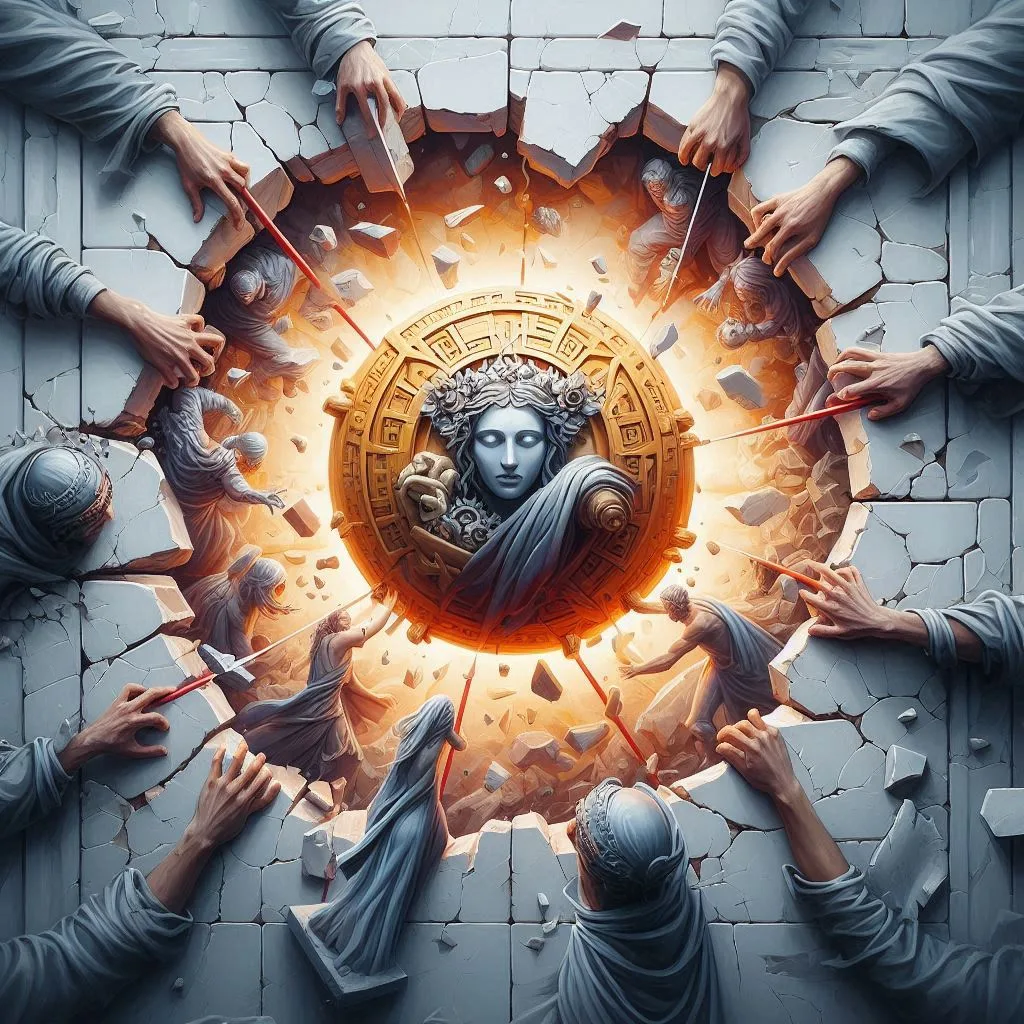 Art has always thrived on innovation, rebellion, and the courage to challenge conventions. The very nature of art is to push boundaries, to explore the uncharted, and to express ideas in ways that surprise and inspire. Yet, there are those who insist on enforcing rigid standards, clinging to the belief that art must adhere to a specific set of rules to be considered valid. This mindset is not just limiting—it is detrimental to the future of art itself.
Purism stifles creativity and denies the dynamic, evolving nature of artistic expression. Imagine if we had never embraced the bold colors of Impressionism, the surreal dreamscapes of Dali, or the explosion of self-expression that is modern digital art. Each of these movements was once met with skepticism or outright rejection, yet they revolutionized the world of art and continue to inspire generations.
The beauty of art lies in its ability to transform, adapt, and evolve with the times. To prevent it from doing so is to deny what makes it so extraordinary. AI tools are not the end of art as we know it—they are the beginning of a new chapter. They provide creators with opportunities to explore unimagined concepts, develop unique styles, and breathe life into their visions in ways that were once thought impossible.
As artists, we must embrace change, celebrate diversity in creativity, and allow art to evolve. By doing so, we honor the essence of art itself—a boundless, ever-changing force that reflects the limitless potential of human imagination.
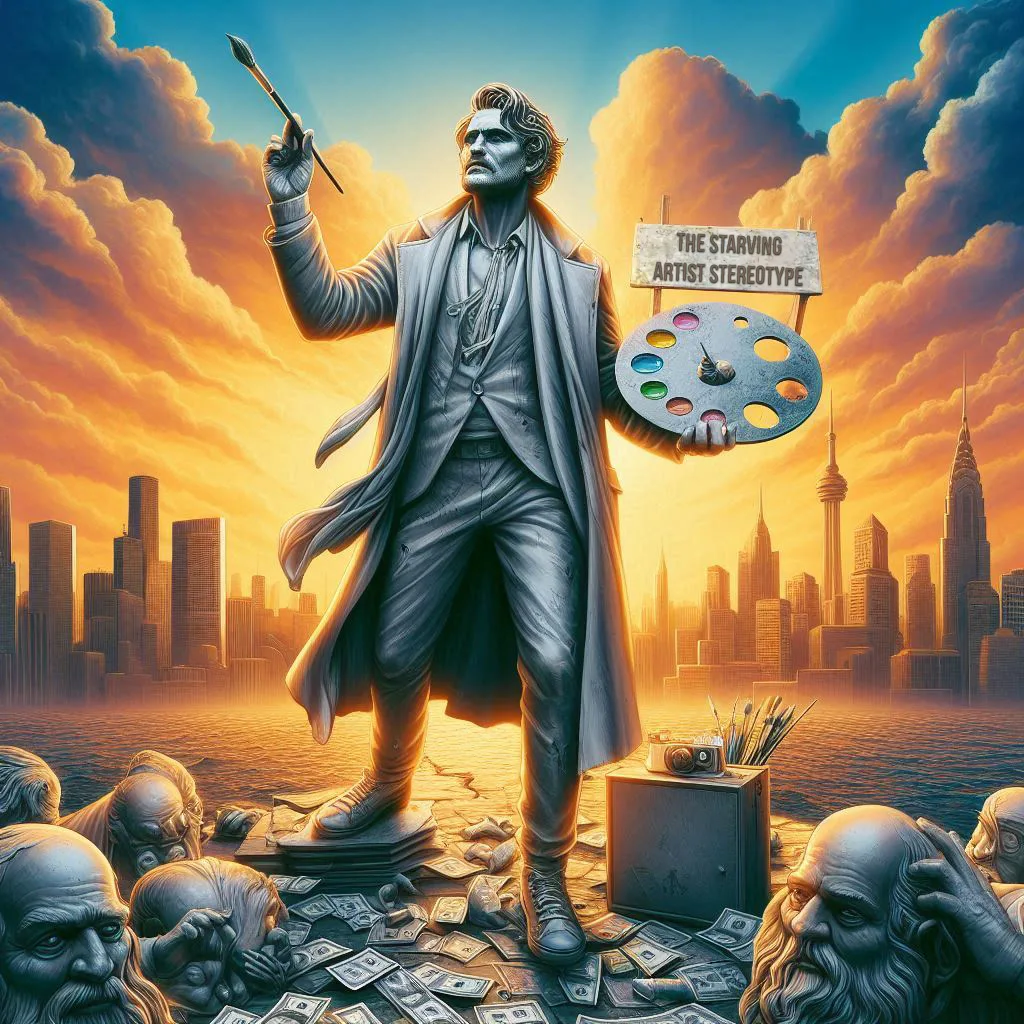 For far too long, the world has romanticized the idea of the “starving artist”—an individual toiling away in obscurity, pouring their blood, sweat, and tears into their creations, with little to no financial reward. This outdated notion not only undervalues the profession but also perpetuates the idea that real art must equate to real hardship. It’s time for this expectation to come to an end.
The value of art lies in its ability to evoke emotion, inspire, and connect with its audience—not in how much suffering or effort went into its creation. Yes, there’s a certain admiration for pieces that reflect the labor, time, and challenges an artist faced, but this should never discount work that was created more efficiently or with ease. Whether it took weeks of meticulous work or was born from a moment of inspiration, every piece of art is valid and has its own unique story to tell.
In truth, art is about imagination and expression. The tools and methods an artist uses to bring their vision to life—be it traditional paintbrushes or cutting-edge AI—should not diminish the value of the final piece. What matters most is the connection the art fosters with its audience, because ultimately, the worth of art is in the eye of the beholder.
Artists should be free to thrive, explore, and innovate without being shackled by the expectation of suffering or poverty. They deserve recognition and fair compensation for their contributions, regardless of the time or effort involved in their creative process. Let’s break free from the limiting “starving artist” stereotype and celebrate art in all its forms, for all its worth.
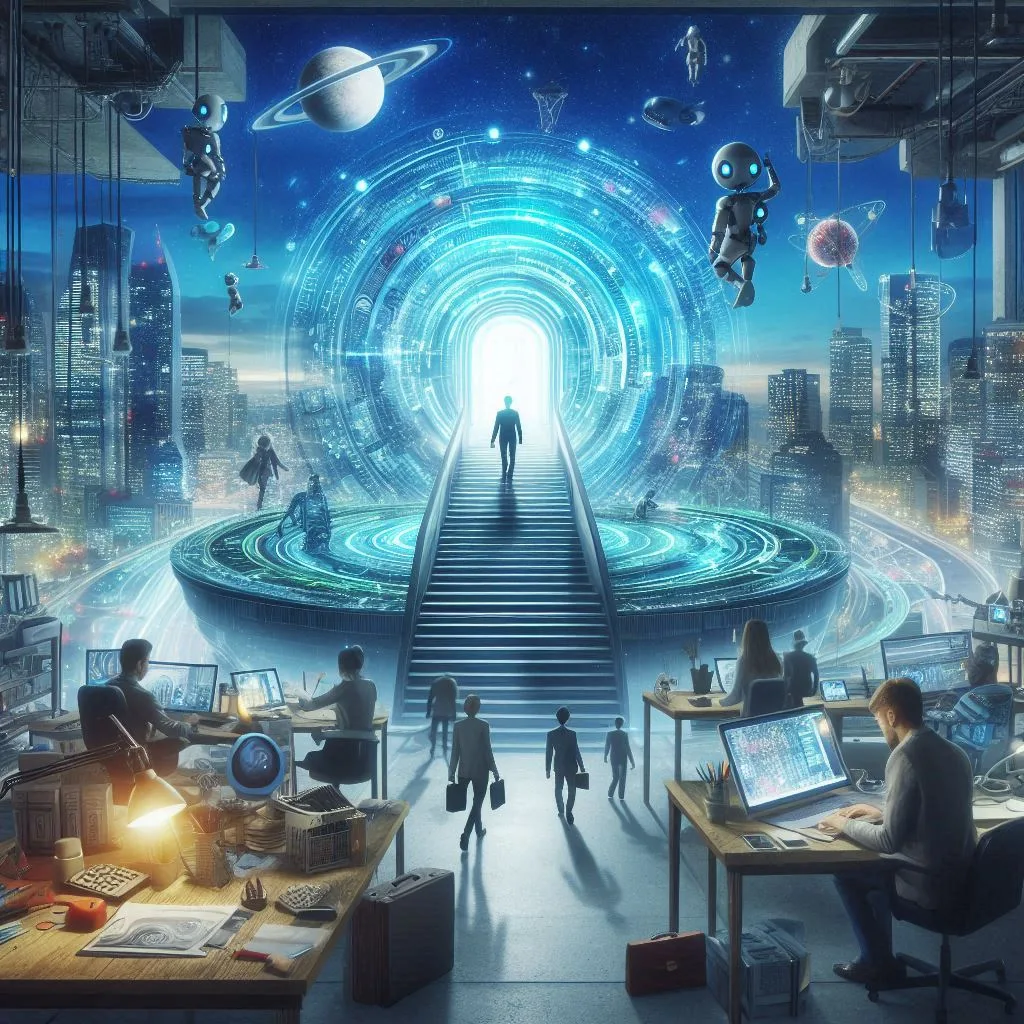 As artists, we are constantly evolving, pushing boundaries, and redefining what creativity means. Embracing AI tools is not about replacing traditional methods; it’s about expanding your possibilities and exploring uncharted creative territories. This powerful technology offers opportunities to innovate, inspire, and reimagine art in ways we never thought possible. Rather than fearing change, let us step out of the comfort zone—or out of the box, as they say—and embrace this incredible new medium. By doing so, we ensure that we remain not just part of the conversation but at the forefront of a creative revolution.